 By malikhamzaayub123@gmail.com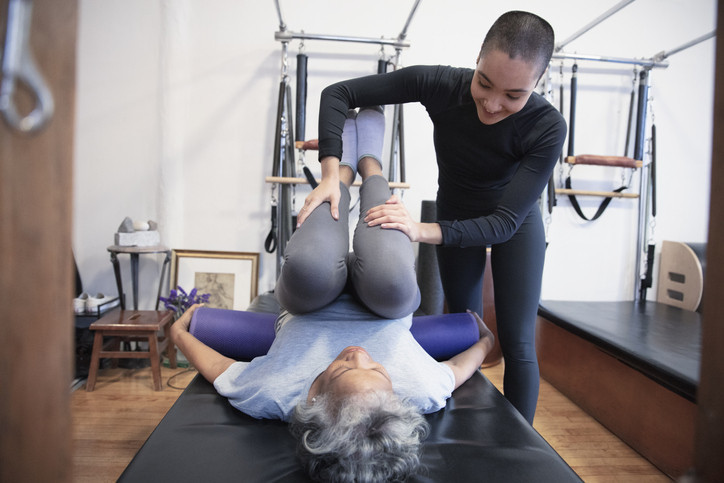
Boutique or specialty fitness studios offer all sorts of ways to exercise, such as strength training, indoor cycling, and kickboxing. Other popular options, like yoga and Pilates, are less likely to leave you sweaty and breathless, emphasizing flexibility and measured movement. Over the past few years a new trend has emerged: studios that focus solely on stretching. What are these studios offering, and will you benefit from this focus?
What are stretch studios offering?
These studios, which include StretchLab, StretchMed, and others, provide assisted stretching sessions, either one-on-one or in small groups. The promised benefits range from reasonable goals of increasing flexibility and range of motion to more questionable assertions, such as preventing injuries and eliminating chronic pain.
If you participate in certain sports that require flexibility, like dance or gymnastics, stretching may be important to maintain range of motion.
But if your focus is on improving your overall health, the evidence to support stretching is sorely lacking — especially compared with the wealth of evidence supporting the benefits of regular, moderate physical activity. Contrary to popular belief, there’s no consistent evidence that stretching helps prevent injuries. And if you have an existing injury, such as a muscle or joint sprain, aggressively stretching that tissue could actually make the injury worse.
The “stretch therapists” and “flexologists” at stretching studios may have certain certifications and training, but they’re probably not qualified to recognize and address health-related causes for pain or stiffness. If you have a previous or current musculoskeletal injury, you’re much better off going to a physical therapist who has the expertise and training to treat you correctly.
Feeling tight and stiff?
If you’re free from injuries but just feel tight and stiff, try a yoga class, which can provide added benefits like improving your balance and helping you relax and de-stress. Or consider tai chi, a gentle, meditative form of exercise that can help lower blood pressure and enhance balance. Another option is to get a massage.
If you decide to try assisted stretching offered at a studio, listen to your body, and make sure you communicate how you’re feeling with the therapist working on you.
But you’ll probably do more for your overall health by spending that time taking a brisk walk or some other type of exercise instead. Most Americans don’t meet the federal recommended guidelines for physical activity, which call for 150 minutes per week of moderate-intensity exercise and muscle-strengthening activities twice weekly.
Want to do your stretching at home?
Three exercises — a routine of arm sweeps, back bend, and chair pose — can help ease morning stiffness. This also works well during the day if you spend too much time sitting.
Arm sweeps
Stand up straight with your feet together. As you inhale, sweep your arms out to the sides and up toward the ceiling. As you exhale, sweep your arms back down to your sides. Repeat five to 10 times.
Back bend
Stand up straight with your feet slightly apart. Place your hands on your lower back with your fingertips pointing down. As you inhale, roll your shoulders back and gently lift your chest toward the ceiling, arching your back to the point of comfort. You should be gazing up at the ceiling in front of you. (Be careful not to overextend your neck.) Hold for three to five breaths. Release on an exhalation. Do three to five reps.
Chair pose
Stand with your feet about shoulder-width apart and arms down at your sides. Raise your arms overhead. As you exhale, bend your hips and knees and lower yourself into a squat position (as low as comfortable), keeping your back straight. Hold for a few seconds, and stand as you lower your arms to complete one rep. Repeat the movement until you do five to 10 reps. You can also raise your arms to chest height only, or keep your hands on your thighs, so you focus only on your lower body.
Tips for stretching at home
Stretching at home could save you money and time. These tips can help you get the most out of at-home morning stretches or other flexibility routines.